Lower Back Pain Treatment
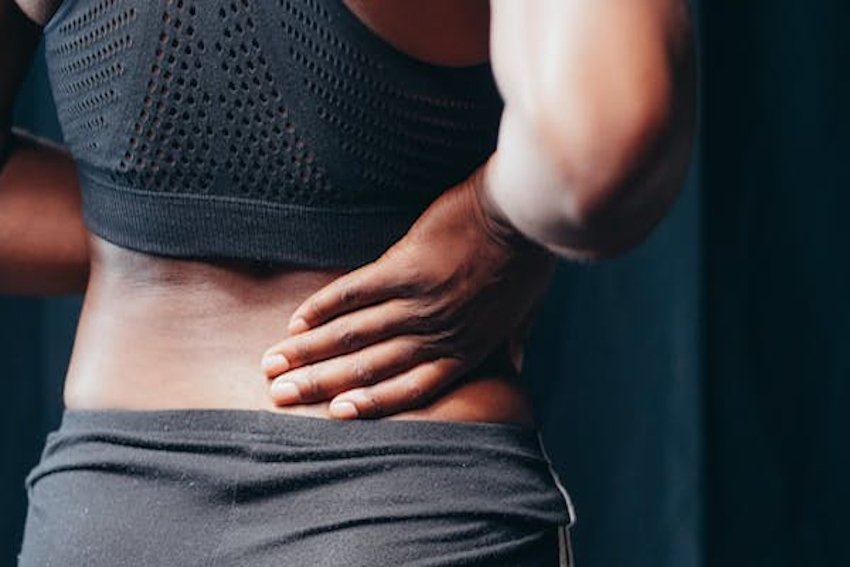
Lower back pain is incredibly common—affecting up to 80% of people at some point in their lives. At our practice, it's one of the most frequent conditions we treat, and the good news is: it’s highly treatable.
We’re here to help you recover quickly, reduce pain, and prevent future episodes through personalised, evidence-based care.
Why Early Treatment Matters
Research shows that early intervention leads to better outcomes and reduces the risk of developing long-term or chronic back issues. Our goal is to assess your condition thoroughly, treat the cause effectively, and empower you with tools to keep your back healthy.
Understanding Your Pain
The first step in your recovery is identifying the true source of your pain—whether it's muscular, joint-related, or nerve-related.
We begin with a detailed history and discussion about your symptoms and how they affect your daily life. We then perform a targeted physical examination using physiotherapy techniques to determine the root cause of your pain.
Once we understand the source—whether it’s a disc bulge, joint impingement, muscle spasm, or nerve irritation—we can design a treatment plan tailored specifically for you.
Common Causes of Lower Back Pain
- Disc bulge or disc prolapse
- Degenerative disc disease
- Muscle spasms
- Facet joint impingement or narrowing
- Sciatica and pinched nerves
- Sacroiliac (SI) joint dysfunction
- Piriformis syndrome
- Poor posture and repetitive strain
- Spinal alignment issues: scoliosis, spondylolisthesis, Scheuermann’s disease, ankylosing spondylitis
- Nerve symptoms: numbness, tingling, pins and needles
Each case of lower back pain is unique, and your treatment will be based on your diagnosis and needs.
We use a combination of the following techniques:
Hands-ON Physiotherapy
- Deep tissue massage – to relieve tightness and spasm
- Trigger point release – for muscle knots
- Myofascial release– to reduce tension in the connective tissue
- Joint mobilisation– gentle techniques to improve movement
Workplace & Lifestyle Support
- Ergonomic advice – guidance for your desk, chair, and computer setup
- Posture correction – especially important for people who sit or stand for long periods
- Micro-break and pause exercises – to relieve work-related strain
Excercise-Based Rehabilitation
- Stretching and strengthening exercises – to restore balance and mobility
- Core stability and Pilates-based exercises – tailored to improve support for your spine
- Movement correction – improve posture, motor control, and reduce poor movement habits
- Sport-specific rehabilitation – if your pain is related to physical activity or training
Additional Techniques
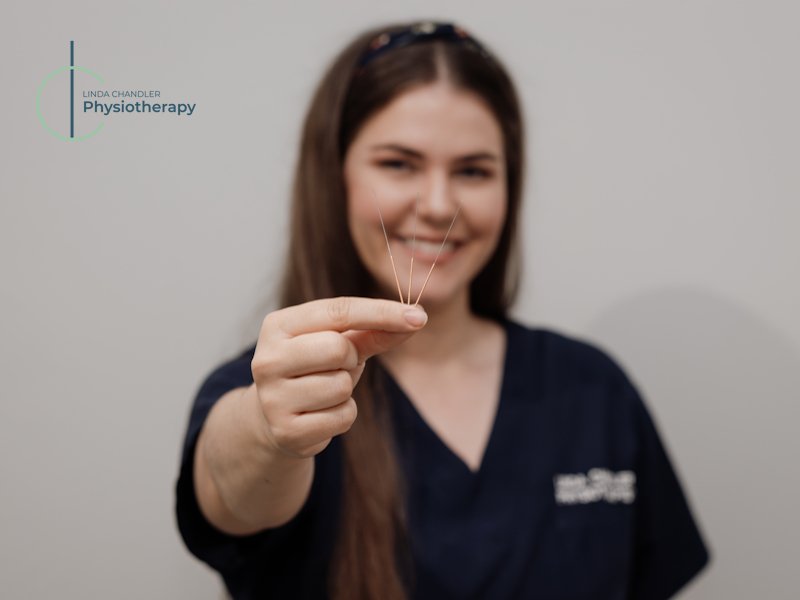
- Dry needling – to relieve deep muscle tension and trigger points
- Education – so you understand your condition and how to prevent it from returning