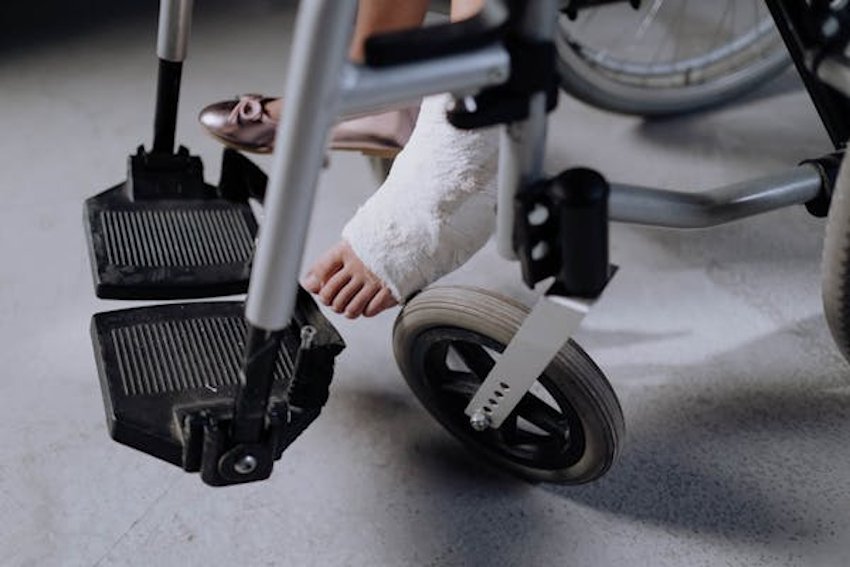
Surgery is only the first step on your road to recovery. A structured rehabilitation program is essential to restore strength, mobility, and function. Our practice provides post-operative physiotherapy tailored to your specific surgery and recovery goals.
We work closely with your surgeon’s guidelines to ensure a safe and effective recovery, helping you regain independence and return to the activities you love.
Common Post-Operative Conditions We Treat
- Total knee replacement and arthroscopy
- Meniscectomy (knee meniscus removal)
- Ligament repairs (ACL, MCL, LCL)
- Total hip replacement
- Hip labrum repair
- Shoulder rotator cuff repair
- Shoulder arthroscopy
- Acromioclavicular joint (ACJ) excision
- Spinal decompression and fusion
- Discectomy and laminectomy
- Shoulder replacement surgery (standard and reverse)
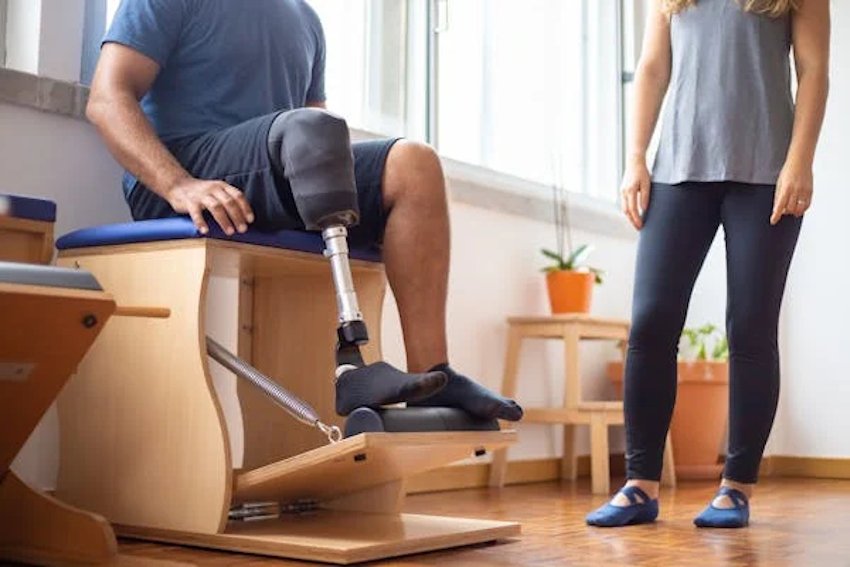
Surgery-Specific Rehabilitation Overviews
ACL Repair (Anterior Cruciate Ligament)
ACL surgery replaces the torn ligament with a graft, typically from the hamstring or patellar tendon.
Rehabilitation Timeline:
- Weeks 0–2: Swelling control, gentle range of motion, isometric exercises, walking with crutches.
- Weeks 2–12: Progress to active range of motion, closed-chain and balance exercises.
- Weeks 12+: Gradual strengthening, return-to-function training.
Full recovery: 4–6 months, depending on individual goals.
Knee Arthroscopy
This minimally invasive surgery is used to diagnose and treat knee joint issues.
Rehabilitation Approach:
- Usually full weight-bearing shortly after surgery.
- Active movement exercises within 10 days to reduce stiffness.
- Progressive strengthening, balance, and mobility work.
Recovery time: 6–8 weeks, depending on findings.
Shoulder Arthroscopy
A small camera and instruments are inserted to inspect and repair shoulder structures such as cartilage, labrum, and rotator cuff.
Rehabilitation Plan:
- Varies based on intraoperative findings.
- Early physiotherapy focuses on pain management and gradual shoulder mobility.
- Strengthening is introduced in later stages.
Recovery duration: Individualized based on procedure.
Rotator Cuff Repair
Involves repairing torn tendons or muscles in the shoulder, often after overuse or trauma.
Rehabilitation Phases:
- Weeks 0–6: Arm in sling; passive and assisted movement exercises only.
- Weeks 6–12: Gradual return of active motion, with focus on shoulder strength and stability.
Total Rehabilitation Period: Up to 6 months.
AC Joint Excision (ACJ Surgery)
The damaged AC joint is removed to relieve pain, often with subacromial decompression.
Rehabilitation Steps:
- The arm is supported in a sling for 2–4 days.
- Active-assisted motion initiated short of pain.
- Progression to strength and stability training.
Recovery time: 4–6 weeks.
Spinal Surgeries: Fusion & Decompression
Neck Fusion/Decompression
Involves relieving nerve or spinal cord compression or stabilizing the neck using bone grafts or hardware.
Rehabilitation Focus:
- Gentle mobility exercises, posture training, and soft tissue release.
- Neural gliding and strengthening exercises for arms and neck.
Rehabilitation Time: Varies based on symptoms and severity.
Lumbar (Lower Back) Fusion/Decompression
Removes disc pressure or stabilizes vertebrae to reduce nerve pain and restore mobility.
Post-op care:
- Patient education on movement safety.
- Gradual walking and soft tissue therapy to reduce nerve irritation.
- Tailored rehabilitation for leg strength, function, and neural mobility.
Recovery period: Several weeks to months based on surgery type and severity.
Total Hip Replacement
Damaged hip structures are replaced with prosthetics to improve mobility and reduce pain.
Post-op Guidelines:
- Avoid hip flexion >90°, crossing legs, or internal rotation.
- Training in safe movements (getting out of bed, walking, dressing).
- Progressive exercise for strength and mobility.
Recovery period: 6–8 weeks.
Total Knee Replacement
Involves replacing damaged parts of the knee joint with artificial components.
Rehabilitation Plan:
- Walking begins within a day post-surgery using crutches.
- Swelling and stiffness are managed with targeted exercises.
- Functional movement training (stairs, sitting, walking).
- Discharge often when the patient achieves a 90° knee bend.
Full Rehabilitation: 6–8 weeks to restore strength and range.
Shoulder Replacement
Replaces shoulder joint surfaces with prosthetic components, either fully or partially.
Rehabilitation Approach:
- Arm in a sling for ~4 weeks.
- Gentle exercises to restore movement (no active rotation early on).
- Strengthening starts after 6 weeks.
Recovery timeframe: 8–12 weeks.
Note: A reverse shoulder replacement may restore movement, but not full strength.
Your Recovery, Our Commitment
Each surgical recovery is unique. Our physiotherapists will guide you through every stage, adjusting your program based on your progress and personal goals.
If you've recently had surgery or are preparing for one, contact us to discuss how we can support your recovery journey.